Duty the application imposes on rubber lining material
Each card is a purchase context. Measure the medium, the temperature band and the interface before the lining material is specified.
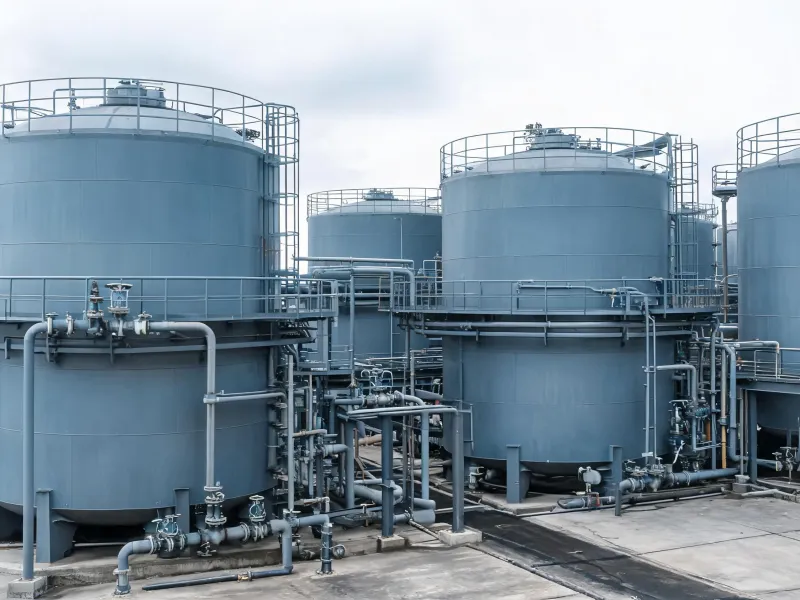
Immersion chemical tanks
The duty is continuous contact with a named acid, alkali or solvent. Write the medium and whether splash or full immersion rules the quote. Shore A and compound family stay buyer decisions until a factory answers them in writing.
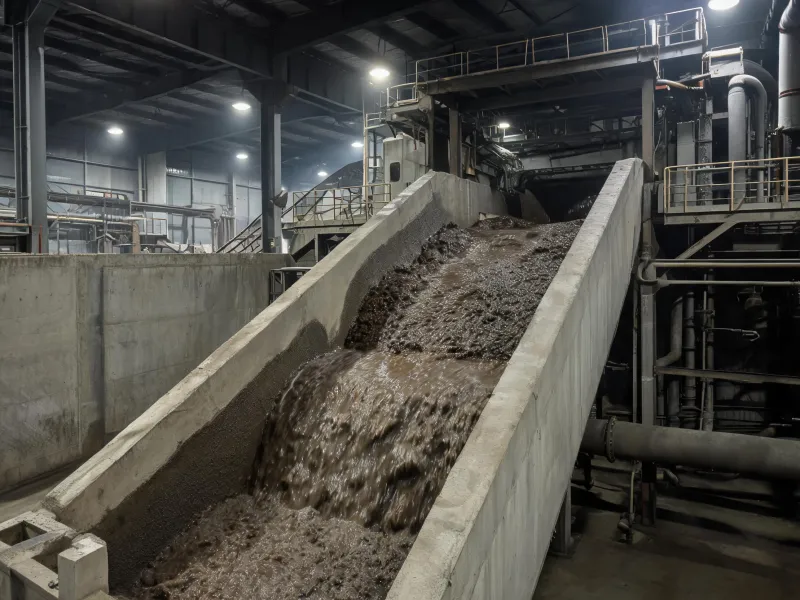
Slurry and chute wear
The duty is abrasion more than chemistry. Thickness with unit and a harder Shore A band usually split this from a soft lining ask. Do not treat a chute photo as a wall thickness.
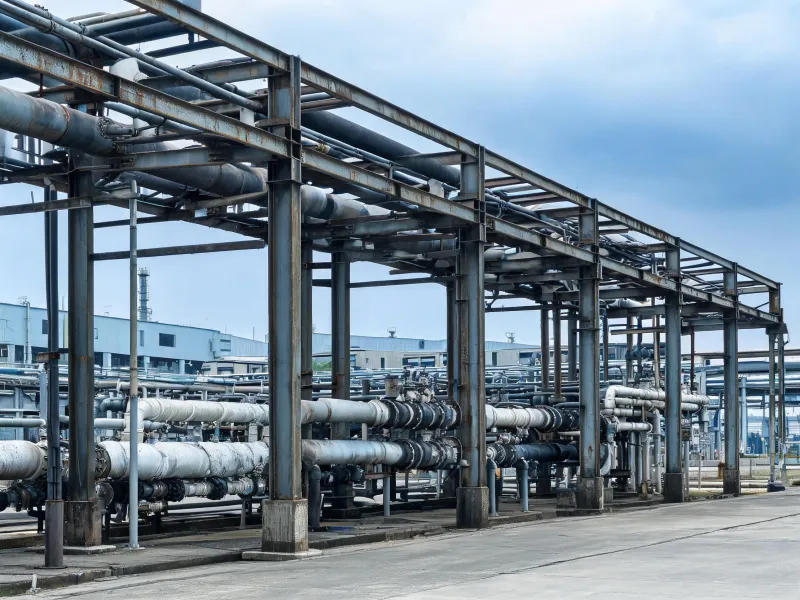
Process pipe interiors
The duty is a lined bore that must interface with flanges and fittings already on site. Inner diameter, length and whether the quote is lining stock or a drawn spool belong on the request. Compatibility checks cover that interface.
Before rubber lining material is specified, confirm what will be measured on arrival: wall thickness, Shore A / Shore D hardness (durometer) if the plant uses it, and the ASTM or equivalent method named on the purchase order. Heat deflection temperature talk without a medium is not a lining spec. Vicat or melt-flow numbers belong to resins, not to this family, and should not be invented on the brief. Vulcanization / curing and bonding method stay on the factory note; they are not a US field-crew promise from this desk.
Selection trade-off: chemical-service lining versus abrasion lining
Buyers often collapse both duties into one “rubber lining material” string. Factories then pick a default. The table is a purchase split, not a promised service life.
| Decision axis | Chemical-service lining | Abrasion / chute lining |
|---|
| What rules the quote | Named medium and continuous or splash contact | Particle size, drop height and remaining wall |
| Shore A band | Often a softer or mid band if the plant already split grades that way | Often a harder band; still a buyer write-in, not a published figure |
| Documents to ask | SDS/TDS plus any FDA 21 CFR 177 or REACH SVHC the receiving plant files | Dimensional page, thickness with unit, and the ASTM method for the lot |
| What a substitute must rewrite | Compound family and temperature in °F or °C | Thickness, remaining bore or plate cover, and Shore A |
One side of the trade-off says chemical-service lining is wasted on a water-only chute. The other side says a harder abrasion lining is wasted if the tank sees a named acid and the receiving plant will file a compound statement. Both can be true. The brief has to say which duty rules the first quote.